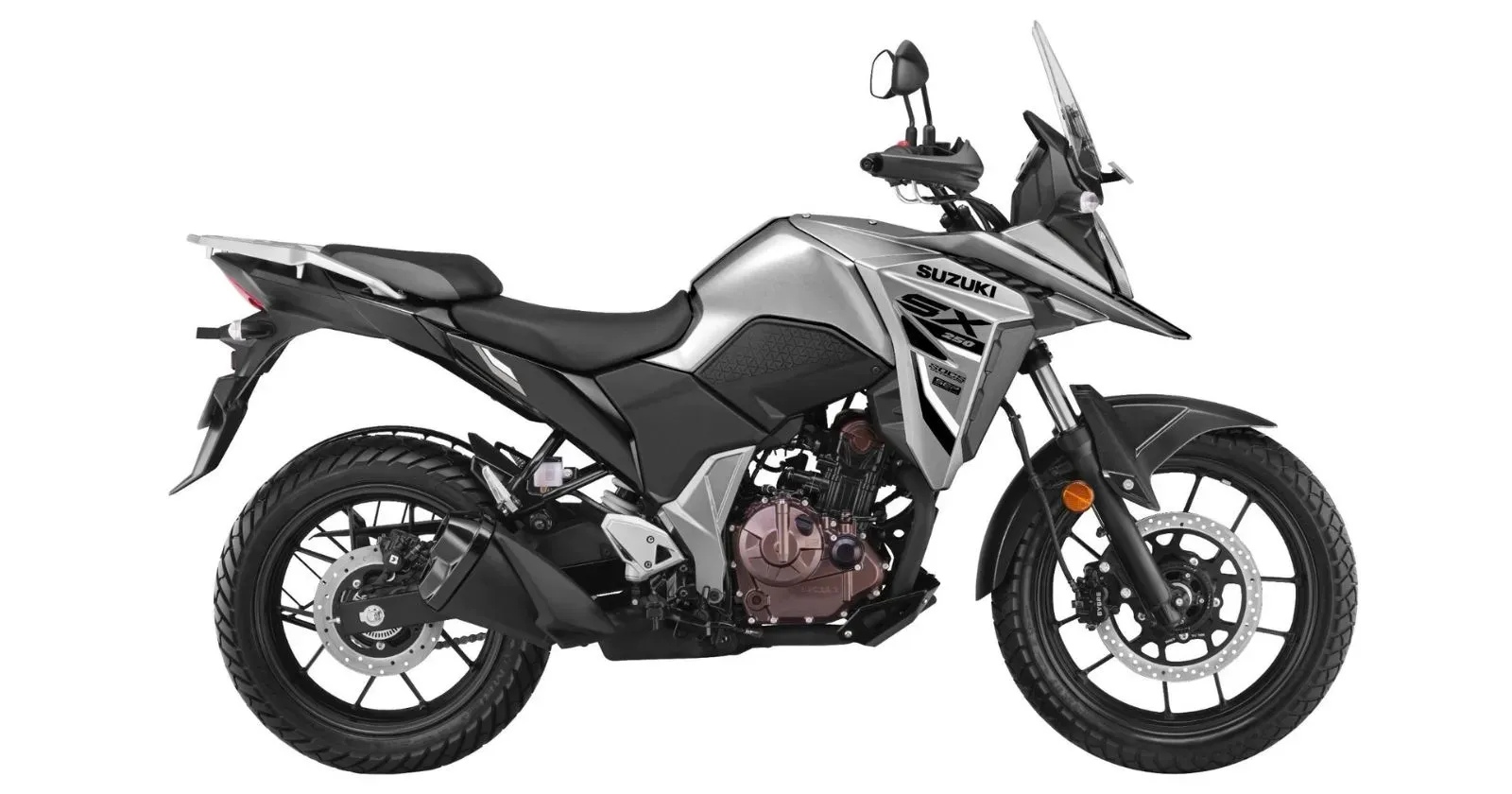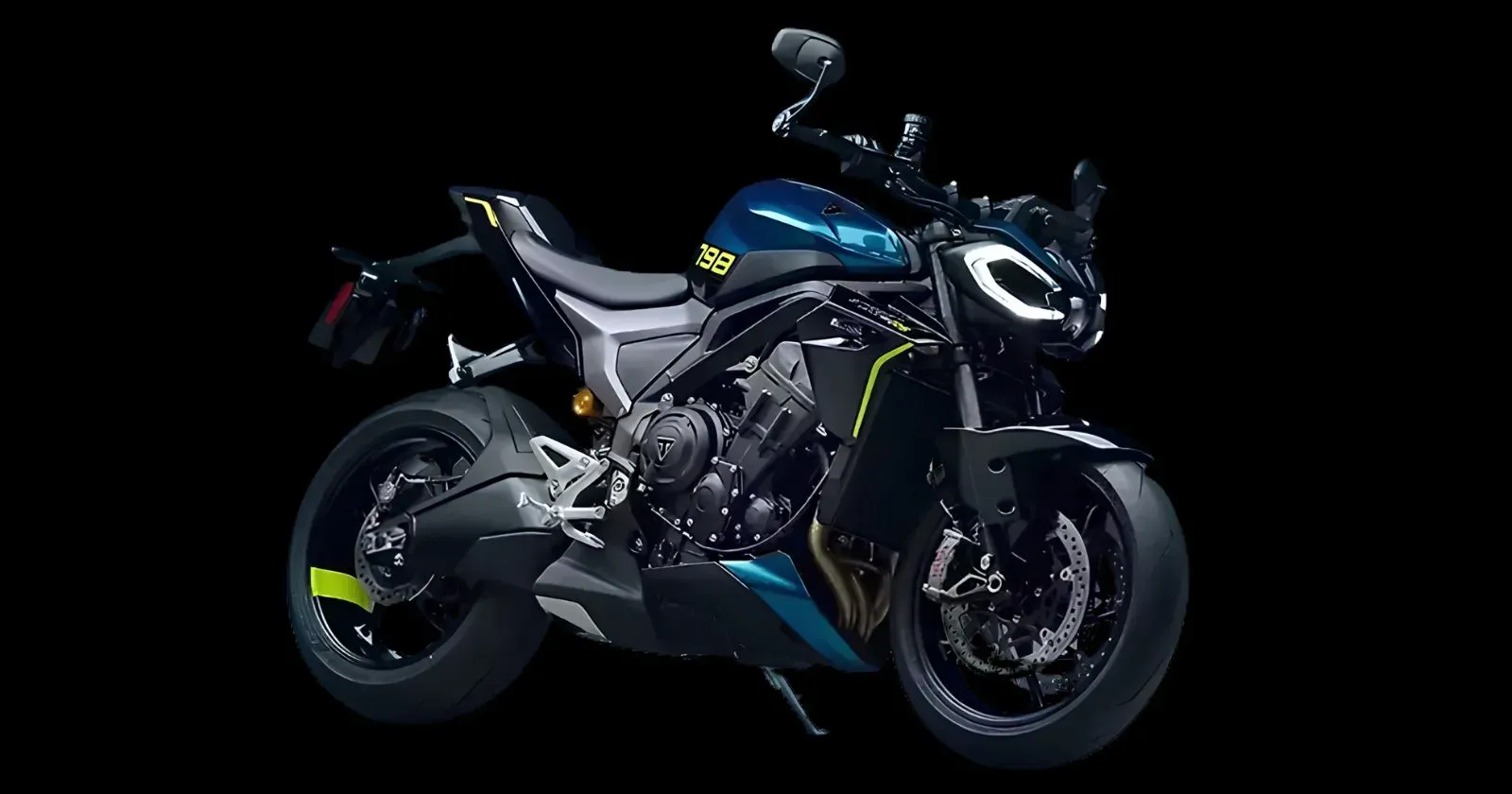


Existing vehicles will be exempt from the new rules, ensuring that current petrol bikes and scooters can be legally used in Delhi after EV Policy 2.0 comes into effect.
The Delhi Cabinet has officially approved the capital's comprehensive new Electric Vehicle (EV) Policy 2.0 (2026-2030). Announcing the structural framework, Chief Minister Rekha Gupta confirmed that the updated policy is scheduled to take effect on July 1, 2026.
The policy introduces aggressive, legally mandated timelines to systematically eliminate traditional internal combustion engine (ICE) models from the urban transport landscape. Under the approved guidelines, the registration of new petrol and CNG-powered auto-rickshaws will be completely halted, meaning only electric three-wheelers will be permitted for registration in Delhi starting January 1, 2027.
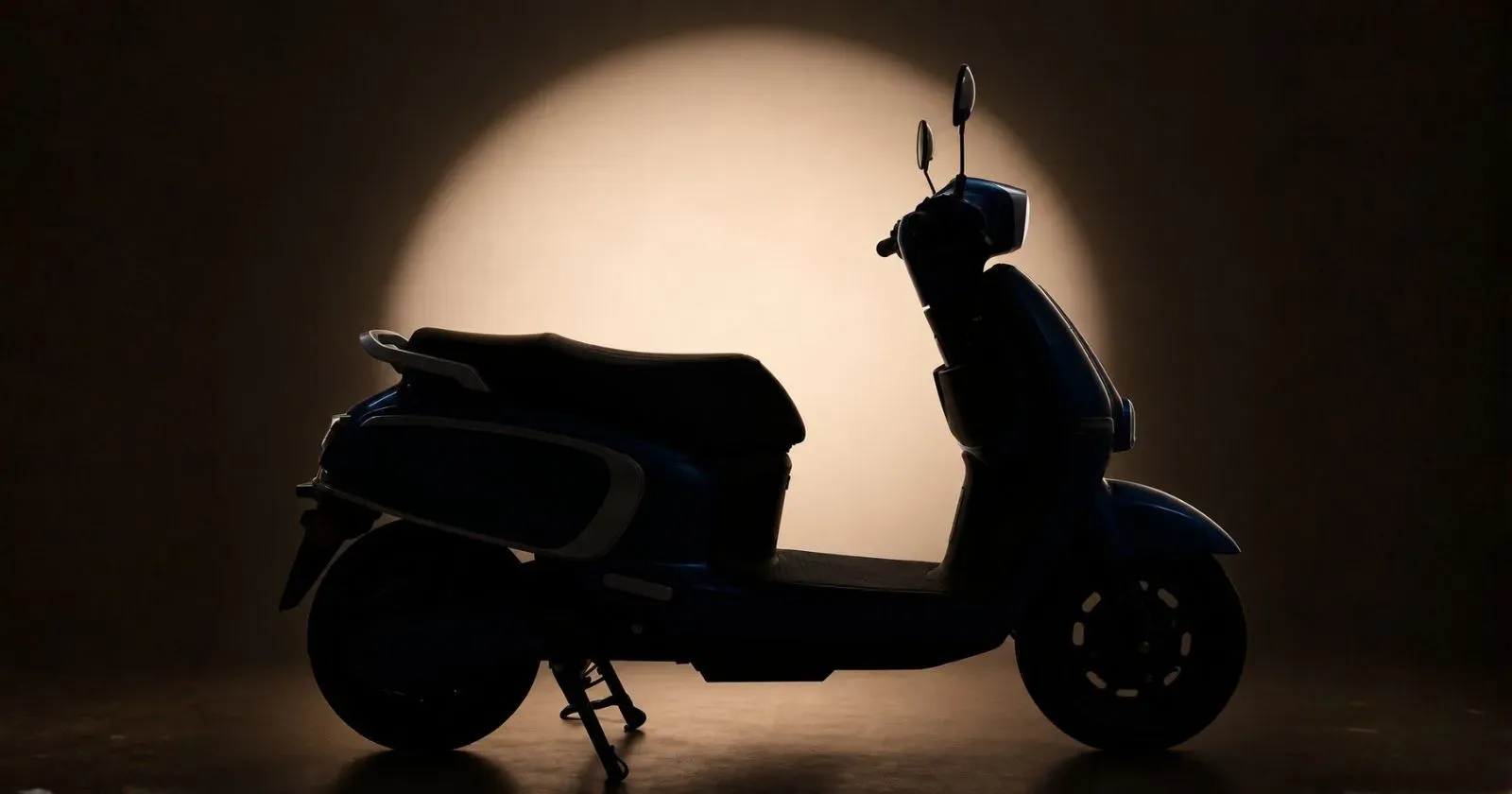
Following this, the transition will expand to personal commuter transport, with the registration of new petrol-powered motorcycles and scooters ending permanently on April 1, 2028, making electric-only registrations mandatory for all subsequent two-wheeler purchases.
Officials clarified that the upcoming restrictions do not apply retroactively to older vehicles that citizens already own, meaning existing petrol bikes and scooters can be driven legally for their full operational lifecycles.
To minimise the immediate financial impact on consumers and fast-track adoption during the initial roll-out, the Delhi Government has committed a massive investment of ₹15,000 crore over the next four years. In the first year of the policy, buyers will receive direct financial purchase subsidies of ₹30,000 for electric two-wheelers and ₹50,000 for electric three-wheelers.
Furthermore, the administration is incorporating a fleet-modernisation push by offering a lucrative ₹1 lakh scrappage linked incentive for owners who trade in older, polluting BSIV four-wheelers for clean, battery-electric alternatives.
Crucially, despite intense industry debate and initial proposals in the draft policy to grant a 50% road tax waiver for strong hybrid cars priced under ₹30 lakh, the finalised EV Policy 2.0 completely excludes any subsidies or tax benefits for hybrid vehicles. The administration decided to focus exclusively on pure battery-electric platforms to ensure a cleaner transition.
Also read: Delhi to Roll Out 300 Electric AC Buses on July 4: Report